
Use this template
Add your own experience and make this layout yours.
Resume Example
This resume format is highly effective for FP&A Analysts as it includes specific sections that are tailored to highlight the candidate's expertise in finance and analytics within the tech industry. The use of action verbs such as 'analyzed', 'developed', and 'optimized' along with quantifiable achievements ensures that the ATS recognizes these key skills, making the candidate more visible to potential employers. Additionally, including relevant technology tools (like Excel, SQL) and platforms (such as cloud-based financial systems) further enhances its relevance in today's job market.
Instant Resume Score
Upload your resume for an instant ATS score and practical, role-specific improvements.
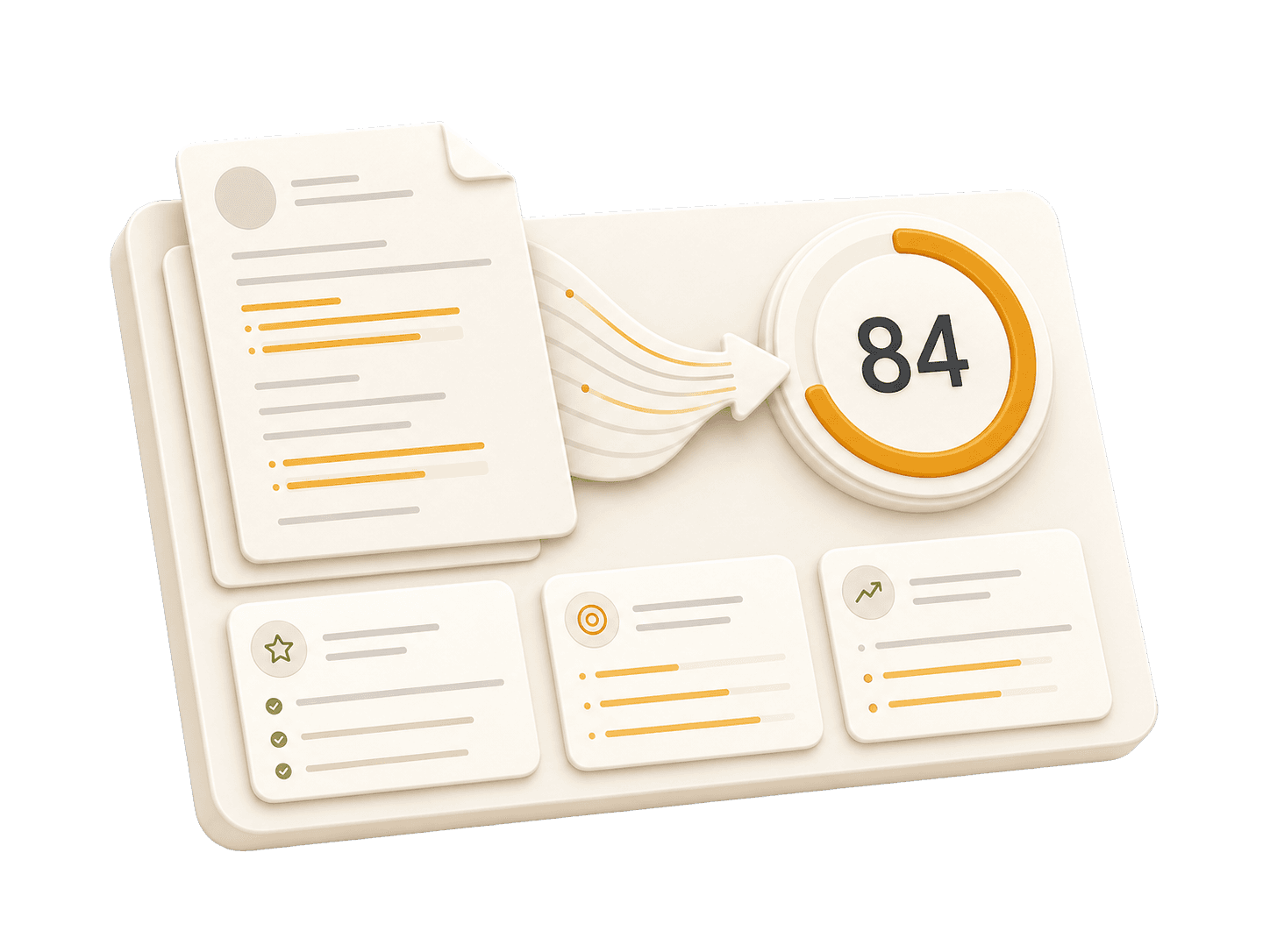
Add your resume to run a free score and get prioritized fixes.
Expert guidelines and best practices for each section of your resume.
01
First Name Last Name City, State, Zip Code Phone Number | Email Address LinkedIn Profile URL | Portfolio URL (Optional)
Your contact information is the first section recruiters see. Keep it concise and professional. Ensure your email address is appropriate (e.g., [email protected]). Include your LinkedIn profile for a comprehensive view of your professional journey. A portfolio or personal website is recommended for creative, technical, or design roles.
Do not include your full physical address (street number/name) for privacy reasons. Avoid including personal details like marital status, age, photo, or social security number unless specifically required in your country. Don't use unprofessional email addresses.
See clear examples of how to format contact details effectively.
Emily Davis 1234 Elm St, Apt 5678 San Jose, CA 95101 [email protected] github.com/emilydavisfinance
Emily Davis San Jose, CA (408) 567-9876 | [email protected] linkedin.com/in/emily-davis-fpa | emilydavisfinancialplanner.com
02
Professional Title Results-focused [Role Name] with [Number] years of FP&A experience in [Industry]. Highlight one forecasting, budgeting, or business-partnering achievement with a realistic metric. List the tools, models, and planning processes you use most often.
Use the summary to show how you turn financial data into planning decisions. Keep it short, specific, and aligned with the target job description. Mention industry context, planning cycles, forecasting, variance analysis, and the tools that matter for FP&A roles.
Avoid generic objectives like 'Looking for a challenging role to grow my skills.' Recruiters want to know what value you bring to them, not what you want from them. Don't use first-person pronouns (I, me, my). Keep it concise and impactful.
Compare a weak objective with a strong professional summary.
Objective: I am a hard-working individual looking for a FP&A Analyst position where I can learn new things and advance my career.
Senior FP&A Analyst with 6+ years of experience supporting cloud services teams through forecasting, budget management, and SaaS KPI analysis. Improved forecast accuracy by 30% by rebuilding driver-based models and monthly variance reviews. Strong Excel, Tableau, Power BI, and cross-functional business partnering skills.
03
FP&A Skills - Forecasting, budgeting, variance analysis, scenario modeling, SaaS metrics Tools - Excel, Google Sheets, Tableau, Power BI Business Partnering - Budget reviews, leadership reporting, month-end analysis
Group your skills logically (e.g., Languages, Frameworks, Tools). Focus on hard skills relevant to the job. List skills in order of proficiency or relevance. Soft skills are better demonstrated through bullet points in your experience section rather than a bare list.
Do not list skills you are not comfortable using in an interview. Avoid using progress bars or percentages to rate your skills (e.g., "Java: 80%"). Do not include outdated technologies unless specifically required.
Practical example showing do's and don'ts for skills
Mentioned SQL at 75% proficiency even though I have never used it in a professional setting.
Listed Excel, Google Sheets, Tableau, and PowerBI as tools relevant to FP&A Analyst role.
Included outdated BI tool like Crystal Reports without specifying its relevance or context.
Highlighted recent proficiency with advanced analytics in SaaS metrics such as ARR and MRR.
04
Job Title | Company Name | Location Month Year – Month Year - Action Verb + Context + Result (Quantified) - Led [Project] resulting in [Outcome]... - Collaborated with [Team] to implement [Feature]...
This is the core of your resume. Use reverse-chronological order (most recent first). Start each bullet with a strong action verb. Focus on achievements and impact, not just duties. Use numbers to quantify your impact (dollars, percentages, time saved, users affected). Show progression and increasing responsibility.
Avoid passive language like "Responsible for..." or "Tasked with...." Don't list every single daily task; focus on significant contributions and measurable outcomes. Avoid jargon that recruiters outside your field won't understand.
Practical example showing do's and don'ts for experiences
Responsible for creating budget forecasts.
Rebuilt driver-based budget forecasts, improving forecast accuracy by 45% and giving department leaders clearer spend targets.
Managed financial data entry tasks.
Analyzed operating cost trends and SaaS KPIs to prioritize savings opportunities and improve monthly planning decisions.
05
Degree Name | University Name | Location Month Year – Month Year - Relevant Coursework: [Course 1], [Course 2] - Honors/Awards: [Award Name] - GPA: X.X (if above 3.5)
List your highest degree first. If you have significant work experience, keep the education section brief. Include your GPA only if it is above 3.5 or if you are a recent graduate. Highlight relevant coursework, academic projects, honors, or leadership roles.
Do not include high school details if you have a college degree. Avoid listing every single course you took; select only the most relevant ones. Don't include graduation dates from decades ago if age discrimination is a concern in your field.
Practical example showing do's and don'ts for educations
B.A. in Business Administration | XYZ University | Los Angeles, CA September 2013 – May 2017 - Coursework: Principles of Management, Marketing Research, Organizational Behavior, Human Resource Management
Bachelor's Degree in Finance | San Jose State University | San Jose, CA September 2013 – May 2017 - Relevant Coursework: Financial Modeling, Corporate Finance, SaaS Metrics and Analytics - GPA: 3.8
06
Project Name | Tools/Technologies Used - Briefly describe what you created and its purpose - Highlight specific challenges you solved - Link to portfolio or demo if available
Projects are excellent for demonstrating practical skills, especially if you lack work experience or are changing careers. Include a link to your portfolio or demo if possible. Focus on projects that show problem-solving skills and relevant tools for the target role.
Don't include trivial tutorials unless you significantly expanded on them. Avoid projects that are outdated, incomplete, or irrelevant to the role you're applying for. Don't just list technologies—explain what you created and why it matters.
Practical example showing do's and don'ts for projects
Developed a basic Excel spreadsheet that calculates simple financial metrics, including revenue and expenses. No challenges were mentioned.
Built a SaaS revenue model in Excel to forecast ARR, churn, expansion revenue, and operating costs for a cloud services team.
Created a Tableau dashboard that displays basic sales data, without explaining the impact or any specific challenges.
Developed a Tableau dashboard that tracked revenue streams, customer churn, and budget variance so finance partners could spot risks earlier.
Common questions about this role and how to best present it on your resume.
Highlight forecasting, budgeting, variance analysis, financial modeling, business partnering, and the tools you used to turn data into planning decisions.
Connect each task to a planning outcome, such as better forecast accuracy, clearer budget ownership, faster reporting, cost savings, or improved leadership visibility.
Include tools you can explain confidently, such as Excel, Google Sheets, Tableau, Power BI, ERP systems, planning tools, SQL, or SaaS KPI dashboards.
Include relevant finance or accounting credentials such as CPA, CMA, CFA, or FP&A-focused training when they support the target role and match your real background.
Transform your resume into an interview magnet with AI-powered optimization trusted by job seekers worldwide.
3 out of 4 resumes never reach a human eye. Our keyword optimization increases your pass rate by up to 80%, ensuring recruiters actually see your potential.